

Introduction to “Basniãƒâ€žã‚â Ky Na Dobru Noc”
The phrase “basniãƒâ€žã‚â ky na dobru noc” may look unusual at first glance, especially because of the special characters in the middle. However, when interpreted correctly, it closely resembles a Slavic expression that generally translates to “fairy tales for a good night” or “bedtime stories for a peaceful night.” In many Eastern European cultures, similar phrases are used to describe short stories told before sleep, especially to children. These stories often contain moral lessons, imaginative characters, and comforting endings that help listeners relax before bedtime.
Bedtime storytelling is a tradition that has existed for centuries. Long before digital entertainment and television, parents and grandparents shared stories orally to entertain children and teach them important life lessons. The phrase “basniãƒâ€žã‚â ky na dobru noc” reflects that timeless tradition. It represents more than just a set of stories—it symbolizes warmth, family bonding, and the passing of cultural knowledge from one generation to another.
In today’s modern world, the concept behind this phrase is still very relevant. Even though technology has transformed the way we consume stories, bedtime tales remain one of the most powerful ways to create emotional connections. Whether told through books, audio recordings, or simple conversation, these stories help children feel safe and calm before sleep.
The Cultural Roots Behind Bedtime Fairy Tales
Bedtime fairy tales have deep cultural roots across many regions of the world. In Eastern and Central Europe, storytelling traditions often involved folklore, mythical creatures, and moral lessons. The phrase “basniãƒâ€žã‚â ky na dobru noc” reflects that heritage. In these traditions, stories were not just entertainment; they were also a way to preserve history, beliefs, and cultural values.
Many classic tales included characters such as brave heroes, wise animals, and magical beings. These stories often followed a simple structure: a challenge, a journey, and a meaningful resolution. Children listening to these tales would learn about courage, kindness, honesty, and perseverance. Over time, these lessons became part of the community’s shared identity.
Another important aspect of bedtime stories in this cultural context is oral storytelling. Before books were widely accessible, stories were passed down through spoken narratives. Grandparents would retell the same tales their own elders had shared with them. This created a living tradition where each storyteller could add small personal touches, making every story unique while preserving the core message.
Even today, many families continue to keep this Basniãƒâ€žã‚â Ky Na Dobru Noc alive. While printed books and digital stories are common, the emotional impact of hearing a story told by a loved one remains unmatched. It turns an ordinary bedtime routine into a meaningful cultural experience.
Why Bedtime Stories Are Important for Children
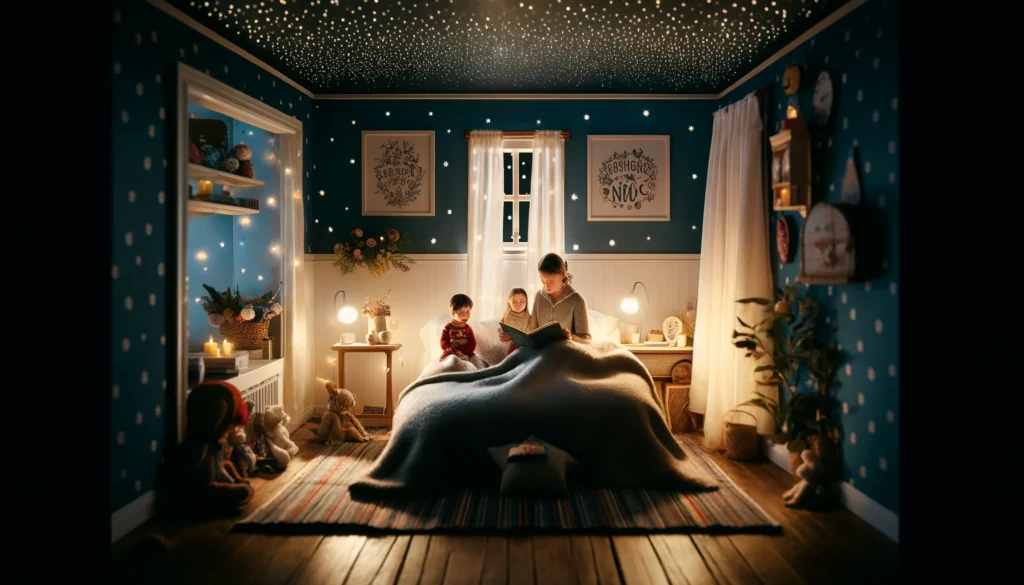
The concept behind “basniãƒâ€žã‚â ky na dobru noc” highlights the importance of bedtime stories in childhood development. These stories provide much more than entertainment; they contribute significantly to emotional, cognitive, and linguistic growth.
First, bedtime stories help children develop language skills. Listening to stories introduces them to new words, sentence structures, and expressions. Over time, this exposure improves vocabulary and communication abilities. Children who regularly listen to stories often become more confident readers and writers later in life.
Second, storytelling encourages imagination and creativity. Fairy tales often include magical elements, adventurous journeys, and imaginative characters. When children hear these stories, they visualize scenes in their minds and develop their ability to think creatively. This imaginative thinking plays an important role in problem-solving and innovation as they grow older.
Third, bedtime stories create a sense of Basniãƒâ€žã‚â Ky Na Dobru Noc security. The calm environment of bedtime combined with a comforting narrative helps children relax and feel safe. Hearing a familiar voice telling a story can reduce anxiety and make it easier for children to fall asleep peacefully. This emotional connection between storyteller and listener strengthens family relationships and builds trust.
Modern Interpretations of “Basniãƒâ€žã‚â Ky Na Dobru Noc”
In the modern digital era, the tradition represented by “basniãƒâ€žã‚â ky na dobru noc” has evolved in interesting ways. While oral storytelling is still valued, many people now experience bedtime stories through books, audiobooks, podcasts, and storytelling apps.
Children’s books have become a major industry worldwide. Authors and illustrators create beautifully designed bedtime stories that combine engaging narratives with colorful visuals. These books often adapt traditional fairy tales while adding modern themes that resonate with today’s young readers.
Audiobooks and storytelling apps are also growing in popularity. Parents can play recorded bedtime stories narrated by professional storytellers, complete with sound effects and music. This allows families to enjoy storytelling even when parents are busy or traveling. However, many experts still encourage parents to participate actively by reading or telling stories themselves whenever possible.
Another modern trend is the use ofBasniãƒâ€žã‚â Ky Na Dobru Noc storytelling as a mindfulness tool. Some bedtime stories are designed specifically to promote relaxation and reduce stress. These narratives use calm language, gentle pacing, and soothing imagery to help children unwind before sleep. This approach blends traditional storytelling with modern psychological techniques.
How to Create Your Own Bedtime Stories
The spirit of “basniãƒâ€žã‚â ky na dobru noc” is not limited to traditional fairy tales. Anyone can create their own bedtime stories, and doing so can make the experience even more personal and memorable.
The first step is to keep the story simple. Bedtime stories do not need complex plots or long descriptions. A short narrative about a friendly animal, a magical forest, or a brave child exploring a new world can be enough to capture a child’s imagination. The key is to maintain a calm and comforting tone.
Next, include a gentle message or moral. Many classic bedtime stories teach lessons about kindness, patience, or honesty. These lessons should feel natural within the story rather than forced. When children connect emotionally with the characters, the message becomes more meaningful.
Finally, end the story on a peaceful note. Since bedtime stories are meant to prepare children for sleep, the ending should be calm and reassuring. A happy resolution or a quiet scene where characters rest peacefully helps create the right mood for bedtime.
Parents can also encourage children to participate in storytelling. Asking them to suggest characters or settings makes the experience interactive and fun. Over time, this practice can nurture creativity and storytelling skills in children themselves.
The Lasting Value of Bedtime Story Traditions
Although technology continues to change the way we experience stories, the tradition behind “basniãƒâ€žã‚â ky na dobru noc” remains deeply meaningful. Bedtime stories are one of the simplest yet most powerful ways to connect with others. They combine imagination, culture, and emotional bonding into a single experience.
For families, bedtime storytelling creates lasting memories. Many adults still remember the stories they heard as children and the comforting voices that told them. These memories often become cherished moments that people carry with them throughout their lives.
From an educational perspective, bedtime stories also support lifelong learning. They encourage curiosity, build communication skills, and introduce children to important values. Even in adulthood, storytelling continues to inspire creativity and empathy.
In a fast-paced world filled with digital distractions, taking a few minutes to share a story before bed can feel surprisingly refreshing. It reminds us of the importance of slowing down, connecting with loved ones, and embracing the power of imagination.
Conclusion
The phrase “basniãƒâ€žã‚â ky na dobru noc” represents much more than just bedtime stories. It reflects a cultural tradition that values storytelling, family bonding, and the passing of wisdom through simple narratives. Whether shared through spoken words, printed books, or digital media, bedtime tales continue to play an important role in shaping childhood experiences.
By preserving and adapting these storytelling traditions, we keep an important part of human culture alive. Bedtime stories remind us that even in a technologically advanced world, the most meaningful experiences often come from simple, heartfelt moments. A quiet story before sleep can inspire dreams, nurture imagination, and create memories that last a lifetime.